
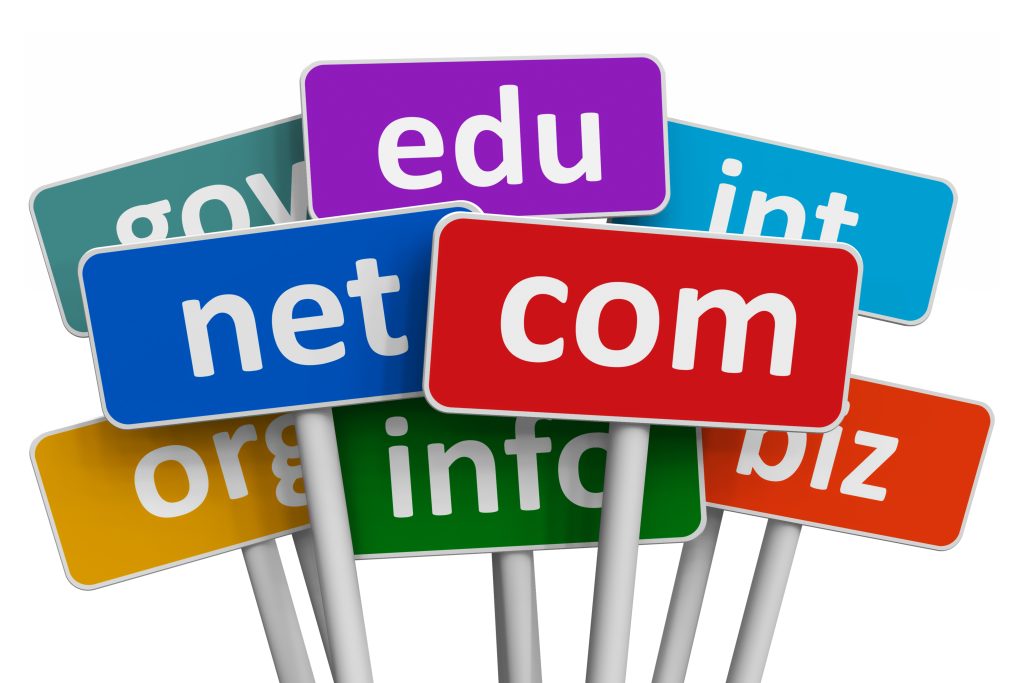
Domain Name vs. Web Hosting: What’s the Difference?
Starting a website can feel confusing when you encounter terms like domain names, web hosting, DNS, and servers. Two of the most important concepts to understand are domain names and web hosting.
Although they work together, they serve different purposes. Understanding the difference can help you choose the right services, avoid unnecessary expenses, and get your website online with fewer complications.
What Is a Domain Name?
A domain name is the address people type into their browser to visit your website.
For example, in example.com, the domain name gives visitors a simple way to find a website without having to remember a numerical IP address.
Every website that uses its own custom domain needs a way to connect that domain to the appropriate server. This connection is managed through the Domain Name System (DNS).
Think of a domain name as the street address of a house. It tells people where to go, but it does not contain the house itself.
What Does a Domain Name Do?
A domain name helps visitors find your website, provides a recognizable online identity, and can be used for professional email addresses when the appropriate email service is configured.
When choosing a domain, consider these factors:
- Keep it memorable: Short, easy-to-spell names are generally easier to share.
- Make it relevant: A name that reflects your brand or project can help visitors understand what your website is about.
- Check availability: Your preferred domain may already be registered.
- Consider renewal costs: Domain registration usually requires periodic renewal, and introductory prices may differ from renewal prices.
A domain name does not automatically include website hosting or a professional email service. These may be separate products, depending on your provider.
What Is Web Hosting?
Web hosting is a service that stores your website’s files and makes them accessible over the internet.
A website can contain HTML pages, images, stylesheets, scripts, databases, and other resources. Hosting provides the server environment needed to deliver those resources to visitors.
If the domain name is your website’s address, web hosting is the place where the website itself lives.
Common Types of Web Hosting
Different hosting plans suit different needs. Here are the most common options.
Shared hosting
Multiple websites use resources on the same server. Shared hosting is often an affordable starting point for personal websites, blogs, and small projects. Performance and available resources depend on the provider and plan.
Virtual Private Server (VPS) hosting
A VPS provides a virtualized server environment with allocated resources. It offers more control than typical shared hosting but may require additional technical knowledge.
Cloud hosting
Cloud hosting uses infrastructure that can distribute workloads across multiple servers or resources. Its performance, reliability, and pricing depend on how the particular service is designed.
Dedicated server hosting
A dedicated server provides an entire physical server for one customer. It offers substantial control and resources, but it is generally more expensive and may require server administration skills.
You do not necessarily need an advanced hosting plan when starting a website. The right choice depends on your website’s software, traffic, technical requirements, and budget.
Domain Name vs. Web Hosting: Key Differences
The main difference is simple: a domain name helps people find your website, while web hosting stores and serves its content.
Here is a quick comparison.
| Feature | Domain Name | Web Hosting |
|---|---|---|
| Main purpose | Provides your website’s address | Stores and delivers website files |
| What you manage | Registration and DNS settings | Files, databases, server resources, and settings |
| Typical payment | Registration and renewal fee | Monthly or annual hosting fee |
| Needed for every website? | Not always; alternatives exist | Some form of hosting or publishing infrastructure is needed for a hosted website |
| Example | example.com | A server hosting the site’s WordPress files |
These services are often sold together, but buying them from the same company is not mandatory.
Can You Buy a Domain Name Without Hosting?
Yes. You can register a domain name without purchasing a hosting plan.
For example, you might register a domain before your website is ready. You could then connect it to a hosting service later, use it for email through a suitable provider, or point it to another online service.
Registering a domain alone does not create a complete website. Visitors may see no website, a placeholder page, or another destination depending on your DNS configuration and the services connected to the domain.
Can You Buy Hosting Without a Domain Name?
Yes, in many cases.
Some hosting providers let you purchase a plan and use a temporary address while you build your website. You can connect your own domain later.
However, the exact options depend on the hosting company and the platform you choose. A custom domain is usually preferable when you want a consistent brand and a website address that is easy to share.
How Do a Domain Name and Hosting Work Together?
When someone enters your domain name into a browser, several steps happen behind the scenes.
- The browser looks up the domain: DNS records help identify where requests for the domain should go.
- The request reaches the appropriate server: The domain’s configuration directs visitors to the relevant hosting infrastructure.
- The server processes the request: Depending on the website, it may retrieve files or generate a page using software and a database.
- The browser displays the website: The server sends the necessary resources, and the browser renders the page.
DNS changes do not always take effect everywhere immediately. Depending on the changes and caching, some visitors may continue seeing the previous configuration for a while.
A domain and hosting service must be configured correctly for the website to work as intended.
How Much Do Domain Names and Web Hosting Cost?
There is no single price for either service.
Domain prices depend on the domain extension, registrar, promotions, and renewal rates. Hosting prices depend on the plan’s resources, support, performance, backup options, and other included features.
Before purchasing, check:
- The renewal price after any introductory discount
- Whether SSL certificates are included
- Whether backups are provided and how restoration works
- Available storage and resource limits
- Support availability and any additional fees
- Whether email hosting is included or sold separately
The cheapest option is not always the best value. At the same time, a new website rarely needs an expensive hosting package simply because it is new.
Choose a plan that meets your current needs and allows a sensible upgrade path as the website grows.
What Do You Need to Start a Website?
For a typical website using a custom domain and conventional hosting, you will generally need the following:
1. A domain name
Choose an available domain that fits your website or brand.
2. A hosting service
Select a hosting plan compatible with your website platform. If you plan to use WordPress, check that the hosting environment supports the version and requirements of WordPress you intend to run.
3. A website platform or website files
You can use a content management system such as WordPress, a website builder, or a custom-developed website.
4. An SSL certificate
HTTPS helps encrypt the connection between a visitor’s browser and your website. Many hosting providers include SSL certificates, but you should confirm the details.
Once these pieces are in place, configure the domain’s DNS settings, install or publish your website, and test that it works correctly over HTTPS.
Final Thoughts
A domain name and web hosting solve two different problems. The domain gives visitors an address to use, while hosting provides the infrastructure that delivers your website.
You can purchase them from the same provider or manage them separately. What matters most is understanding what each service includes, checking renewal costs, and choosing a setup that matches your website’s needs.
If you are building your first website, start with a suitable domain, reliable hosting, and a platform you can comfortably manage. You can expand your setup as your project develops.